
Apples: Fiber, Gut Health, and Smart Snacking (Plus Easy Ways to Include Them Daily)
- ayunutriment
- Jun 30
- 3 min read
Apples: Fiber, Gut Health, and Smart Snacking (Plus Easy Ways to Include Them Daily)
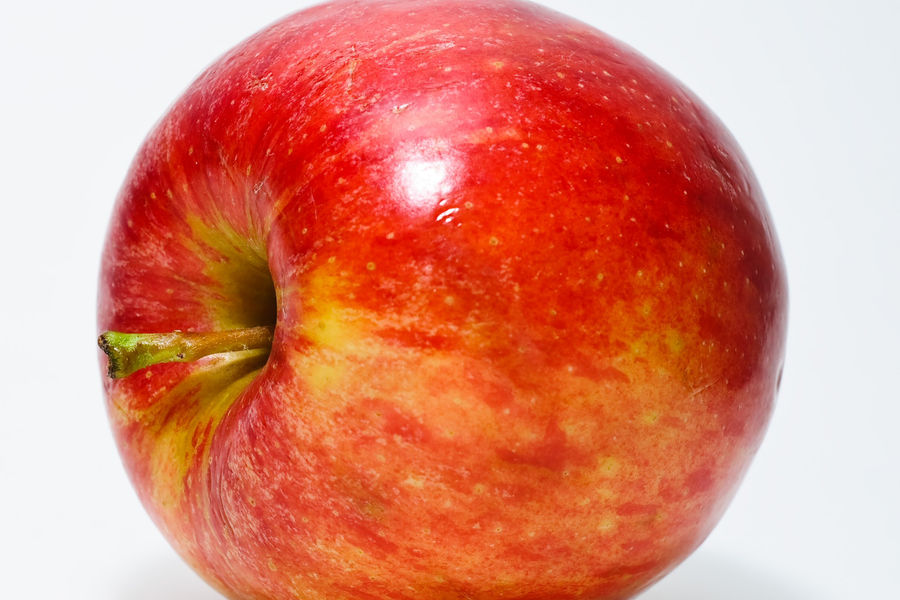
In this guide, we’ll explore apples, apple benefits, fiber and practical ways to include this fruit in a balanced lifestyle.
Apples are a classic fruit for a reason: they’re portable, affordable, and easy to include in everyday life. But beyond convenience, apples can support digestion, heart health, and steady appetite—especially when you use them as part of a balanced routine. At Ayunutriment, we focus on sustainable habits. Apples fit beautifully into that approach because they’re simple, satisfying, and versatile.
What makes apples special?
Apples provide carbohydrates for energy, water for hydration, and a meaningful amount of fiber—especially if you eat the peel. The most talked-about fiber in apples is pectin, a soluble fiber that can support gut health and help you feel full. Soluble fiber forms a gel-like substance in the digestive tract, which can slow digestion and support more stable blood sugar.
Apples also contain polyphenols—plant compounds that act as antioxidants. While apples aren’t a ‘miracle food,’ regular intake of fiber-rich fruits is consistently linked with better long-term health outcomes. The key is consistency, not perfection.
Apples and gut health: the pectin advantage
Your gut thrives on variety and fiber. Pectin can act as a prebiotic, feeding beneficial bacteria. A healthier gut environment can support better digestion, improved regularity, and even better mood and energy for some people. If you’re transitioning from low-fiber eating to higher fiber, increase gradually and drink enough water to avoid discomfort.
If you experience acidity, try apples as a mid-morning snack rather than late at night. If you feel bloated, start with half an apple and chew well. Small changes like these often make fruit easier to tolerate.
Apples for weight management and cravings
Apples can be helpful for weight management because they’re high in water and fiber, which supports fullness. But the real benefit is behavioral: apples are a convenient ‘default snack’ that can replace ultra-processed options. When you keep apples visible and ready, you reduce decision fatigue and make healthy choices easier.
For cravings, pairing matters. An apple alone is fine, but an apple with a protein or fat source is often better for satiety. Think: apple slices with peanut butter, or apple with a handful of nuts. This combination slows digestion and can reduce the urge to snack again soon.
Blood sugar-friendly ways to eat apples
Apples have natural sugars, but their fiber helps moderate the response. Still, if you’re managing insulin resistance, PCOS, or diabetes, it’s wise to pair apples with protein/fat and keep portions appropriate. Avoid turning apples into juice—juicing removes much of the fiber and makes sugar absorb faster.
If you enjoy smoothies, blend whole apple (with peel if possible) rather than juicing. Add yogurt or protein and a spoon of seeds. This keeps the snack more balanced.
How to choose and store apples
Choose apples that feel firm and have intact skin. Different varieties vary in sweetness and texture. If you prefer less sweetness, choose a more tart variety. Store apples in a cool place; refrigeration helps them stay crisp longer. Wash before eating, and if you’re concerned about wax or residue, rinse well and rub gently under running water.
Easy daily apple ideas
Apple + nut butter: a satisfying snack that supports stable energy.
Apple in oats: chop and cook with cinnamon for a comforting breakfast.
Apple salad: add diced apple to a bowl with cucumber, carrots, and lemon.
Apple + curd: a simple combo for protein and digestion support.
Baked apple: bake with cinnamon and crushed nuts for a dessert-like option.
Ayurveda-inspired note: digestion and timing
Traditional approaches often emphasize digestion strength and timing. If you feel heavy after fruit, try apples earlier in the day and avoid combining fruit with very heavy meals. If you feel cold or sluggish, pair apples with warming spices like cinnamon or ginger.
A simple takeaway
Apples are a practical, fiber-rich fruit that can support gut health and steady appetite. Eat them whole, keep the peel when possible, and pair with protein or healthy fats for better satiety. Most importantly, use apples as a consistent habit—an easy choice that supports your long-term wellness goals.
If you want a personalized fruit plan aligned with your digestion, lifestyle, and health goals, Ayunutriment can help you build a routine that feels sustainable and calm.
Quick FAQ
How much fruit should I eat daily?
For many adults, 2 servings of fruit per day works well, but the right amount depends on your goals, activity level, and blood sugar response.
Is it better to eat fruit alone or with meals?
Both can work. If you’re prone to cravings or blood sugar swings, pairing fruit with protein or healthy fats often feels more stable.
Can fruit fit into weight loss?
Yes. Fruit can support weight loss when portions are appropriate and the overall diet includes enough protein, vegetables, and consistent meal timing.


Comments